
The LME nickel crisis was a loss-allocation story
In March 2022 the London Metal Exchange did something a clearing house is never meant to do: it reached back into trades that had already happened and cancelled them. At least $3.9bn of nickel trades, $12bn on the LME's own court filings, cancelled after the fact, because the alternative was member defaults the clearing house could not absorb.
Everyone remembers it as a nickel story. It was a loss-allocation story.
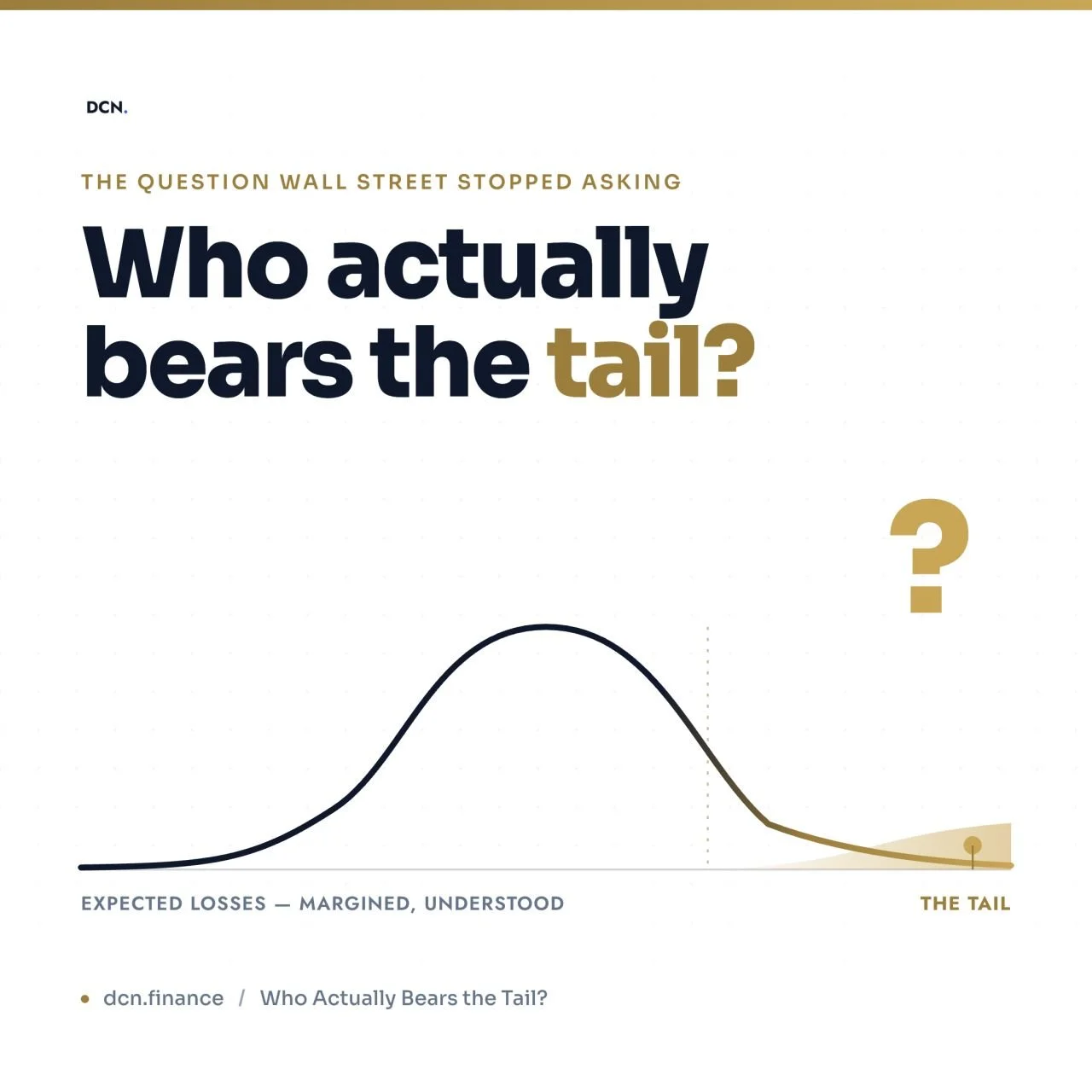
The post-2008 settlement told us central clearing would remove counterparty risk from the system. That was never quite true. Clearing does not remove the tail - the loss when a position blows past its margin. It mutualises it. The default waterfall - initial margin, then the defaulter's own fund contribution, then the CCP's own capital, then the mutualised fund of every surviving member, then assessments on those still standing - is simply a sequence for deciding who absorbs a loss too large for the party that caused it.
So the tail did not disappear after 2008. It moved. It was transferred from the failing member to the surviving ones - priced into no one's book, named in no one's risk report.
That is the question the market quietly stopped asking: when a cleared position blows past margin, who actually bears the loss? Not in theory - on whose balance sheet does it land?
Over the next two weeks I want to trace that honestly - through the cases Wall Street already argues about, not crypto - and ask whether socialising the tail was ever the only option, or just the one we defaulted to.
This first appeared on LinkedIn on 18 August 2026. If you want to comment or discuss, that's the place.